

The financial technology (fintech) sector has emerged as a powerhouse of innovation, rapidly reshaping how we manage, spend, and invest our money. For investors in Canada and the United States, fintech presents a compelling landscape filled with both lucrative opportunities and inherent risks. As we look towards 2025 and 2026, understanding the dynamics of this transformative industry is paramount for building a resilient and growth-oriented portfolio. This comprehensive guide delves into the fintech investment arena, offering insights into market analysis, key players, and practical advice for navigating this exciting, yet volatile, sector.
The Unstoppable Rise of Fintech: A Market Overview
Fintech encompasses a broad range of technological innovations applied to financial services, from digital payments and online lending to blockchain and artificial intelligence (AI) in wealth management. Its rapid ascent is fueled by several factors:
•Digital Transformation: The global shift towards digital-first services, accelerated by recent events, has cemented the demand for convenient, accessible, and efficient financial solutions.
•Technological Innovation: Advances in AI, machine learning, cloud computing, and blockchain provide fintech companies with powerful tools to disrupt traditional banking models.
•Evolving Consumer Demands: Younger generations, in particular, expect seamless digital experiences, personalized services, and greater control over their financial data.
•Regulatory Evolution: While sometimes a challenge, the development of frameworks like Open Banking in Canada and consumer financial data rights in the USA are creating structured environments for fintech growth and data sharing.
The North American fintech market is projected for significant growth, with the US leading in scale and Canada showing robust expansion. This fertile ground offers diverse entry points for investors.
Unlocking Opportunities: Where to Find Value in Fintech
Investing in fintech means tapping into companies that are at the forefront of financial innovation. The opportunities are multifaceted:
1. Disruptive Innovation Across Sub-Sectors
Fintech’s strength lies in its ability to innovate across various financial verticals:
•Digital Payments: Companies revolutionizing how transactions occur, from point-of-sale systems to cross-border remittances. This includes payment processors, digital wallets, and real-time payment infrastructure providers.
•AI in Finance: Firms leveraging AI for predictive analytics, algorithmic trading, fraud detection, and personalized financial advice. This area is poised for substantial growth as AI capabilities mature.
•Blockchain & Digital Assets: Beyond cryptocurrencies, companies building blockchain infrastructure for secure transactions, decentralized finance (DeFi), and tokenized assets are creating new financial paradigms.
•Embedded Finance: The integration of financial services directly into non-financial platforms, making banking, lending, and payments an invisible part of everyday digital experiences.
2. Direct Investment: Prominent Fintech Stocks
For investors seeking direct exposure, several fintech companies stand out in the North American market:
United States:
•Block (SQ): Formerly Square, Block is a diversified fintech giant with an ecosystem spanning merchant services (Square) and consumer financial services (Cash App). Its focus on small businesses and underserved consumers provides a strong growth runway.
•PayPal (PYPL): A veteran in digital payments, PayPal continues to innovate with Venmo and its broader payment network. Despite increased competition, its vast user base and brand recognition remain powerful assets.
•SoFi Technologies (SOFI): Positioned as a “one-stop shop” for financial services, SoFi offers banking, lending, and investing. Its integrated model aims to capture a larger share of customers’ financial lives.
•Adyen (ADYEY): A global payment processing company that provides a single platform for businesses to accept payments across channels. Its strong enterprise focus and international reach make it a compelling choice.
Canada:
•Wealthsimple: Canada’s leading fintech “super-app,” offering robo-advisory, commission-free trading, and digital banking. Its integrated platform and strong brand appeal to a broad base of Canadian investors.
•Lightspeed Commerce (LSPD): Provides point-of-sale and e-commerce solutions, increasingly integrating embedded financial services for small and medium-sized businesses. Its vertical integration strategy is a key differentiator.
•Nuvei (NVEI): A global payment technology provider for high-growth industries. Nuvei’s focus on complex payment solutions and international expansion offers significant potential.
•Propel Holdings (PRL): An AI-driven online lending platform that uses proprietary technology to assess creditworthiness, catering to underserved consumers.
3. Diversified Exposure: Fintech Exchange-Traded Funds (ETFs)
For investors preferring a diversified approach or seeking to mitigate single-stock risk, fintech-focused ETFs offer an excellent solution:
•Global X FinTech ETF (FINX): Provides broad exposure to companies on the leading edge of the emerging financial technology sector, including those involved in mobile payments, e-commerce, and blockchain.
•ARK Fintech Innovation ETF (ARKF): Managed by ARK Invest, this actively managed ETF focuses on companies that are disrupting traditional financial services through technological innovation, often with a higher-growth, higher-risk profile.
•Fidelity MSCI Financials Index ETF (FNCL): While broader than pure fintech, this ETF offers exposure to the overall financial sector, including traditional banks that are increasingly adopting fintech solutions, providing a blend of stability and growth potential.
Navigating the Perils: Risks in Fintech Investing
Despite the exciting growth prospects, investing in fintech comes with its own set of challenges and risks that investors must carefully consider:
1. Regulatory Uncertainty and Scrutiny
The rapidly evolving nature of fintech often outpaces regulatory frameworks. Governments and financial authorities in both Canada and the USA are continuously working to establish rules for data privacy, consumer protection, and market stability. Changes in regulations, particularly concerning digital assets or data sharing, can significantly impact fintech companies’ business models and profitability .
2. Intense Competition and Market Saturation
The fintech sector is highly competitive, with new startups constantly emerging and traditional financial institutions accelerating their digital transformation efforts. This intense competition can lead to pricing pressures, reduced profit margins, and a constant need for innovation to stay relevant. Not all fintech companies will succeed, and many may face consolidation or acquisition.
3. Cybersecurity Threats and Data Breaches
As fintech companies handle sensitive financial data, they are prime targets for cyberattacks. A significant data breach can severely damage a company’s reputation, lead to substantial financial penalties, and erode customer trust, directly impacting its stock performance.
4. Valuation Concerns
Many fintech companies, especially high-growth startups, trade at premium valuations based on future growth potential rather than current profitability. This can make them susceptible to significant price corrections during market downturns or if growth expectations are not met.
5. Macroeconomic Headwinds
Fintech companies, particularly those involved in lending or transaction volumes, can be sensitive to macroeconomic conditions. Rising interest rates can increase borrowing costs and reduce demand for loans, while economic downturns can lead to decreased consumer spending and investment activity, impacting revenue growth.
Strategic Considerations for North American Investors
To successfully invest in the fintech revolution, consider these strategies:
•Diversification is Key: Avoid putting all your eggs in one basket. Diversify across different fintech sub-sectors, company sizes, and geographical regions (Canada and the USA) to mitigate risk.
•Understand the Business Model: Thoroughly research how a fintech company generates revenue, its competitive advantages, and its long-term growth strategy. Is it a disruptor, an enabler, or a niche player?
•Monitor Regulatory Developments: Stay informed about changes in financial regulations in both Canada and the USA, as these can have a profound impact on fintech operations.
•Assess Management and Technology: Evaluate the leadership team’s experience and the robustness of the company’s underlying technology. Strong management and cutting-edge tech are crucial for sustained success.
•Long-Term Perspective: Fintech is a rapidly evolving sector. While short-term volatility is possible, a long-term investment horizon allows you to benefit from the compounding effects of innovation and market adoption.
Conclusion
Investing in fintech offers a compelling pathway to participate in the future of finance. The opportunities for growth, driven by technological innovation and evolving consumer demands, are substantial across both the Canadian and American markets. However, these opportunities are balanced by significant risks, including regulatory uncertainty, intense competition, and cybersecurity threats. By conducting thorough due diligence, diversifying your portfolio, and maintaining a long-term perspective, North American investors can strategically position themselves to harness the transformative power of fintech and potentially achieve significant returns in the years to come.
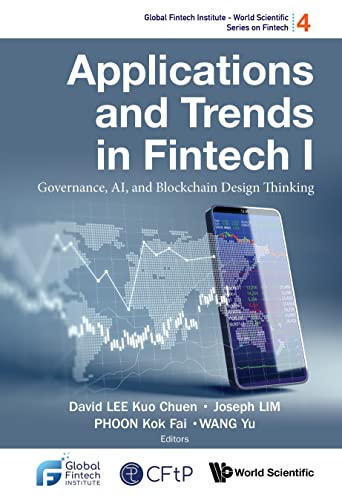
Here is a good book to understand more about this topic:
References
[1] Canada.ca. (2025, December 16). Open banking.
[3] BDO. (2026, January 9). 2026 Fintech Industry Predictions.
[4] Wealthsimple. (n.d.). Popular online banks in Canada.
[5] MDPI. (2026). Strategic Risks and Financial Digitalization: Analyzing the.