
Maximizing team performance through leadership styles
As a leader, you have the responsibility to guide and motivate your team towards achieving the goals of the organization. But there’s no one-size-fits-all approach to leadership. Every team is different, and what works for one team may not work for another. This is where understanding different leadership styles comes in handy.
In this article, I’ll explore the four most common leadership styles and help you determine which one is best suited for your team.
Autocratic Leadership
Autocratic leaders make decisions without input from their team members. They have complete control over the team and expect their instructions to be followed without question. This leadership style can be effective in situations where decisions need to be made quickly, and there’s no time for collaboration.
However, this style can lead to low employee morale and a lack of trust among team members. Autocratic leaders often don’t consider the opinions or suggestions of their team members, which can lead to a lack of engagement and motivation.
Democratic Leadership
Democratic leaders encourage their team members to participate in decision-making. They value the opinions and suggestions of their team and use this feedback to make informed decisions. This leadership style can lead to increased employee morale, job satisfaction, and productivity.
However, this leadership style can be time-consuming and may not be appropriate in situations where quick decisions need to be made.
Laissez-Faire Leadership
Laissez-faire leaders delegate decision-making to their team members. They provide minimal guidance and allow their team to work independently. This leadership style can be effective when team members are highly skilled and motivated.
However, this leadership style can lead to a lack of direction and accountability. Without clear guidance, team members may struggle to meet deadlines or produce quality work.
Transformational Leadership
Transformational leaders inspire their team members to work towards a common goal. They motivate their team through positive reinforcement and empower them to take ownership of their work. This leadership style can lead to increased employee engagement, job satisfaction, and loyalty.
However, this leadership style requires a high level of emotional intelligence, and flexibility, and may not be appropriate for all teams. This is the next important topic to consider.
The Importance of Flexibility
The importance of flexibility cannot be overstated when it comes to leadership. Effective leaders must be able to recognize the changing needs of their teams and adjust their leadership styles accordingly. For example, a crisis situation may require a more authoritarian leadership style, where quick decisions need to be made and communicated clearly to the team. On the other hand, a collaborative and inclusive leadership style may be more effective in a situation where creativity and innovation are needed.
Flexibility is also important in building trust and maintaining open communication within the team. When leaders are flexible and adaptable, they demonstrate that they are willing to listen to feedback and make changes based on the needs and perspectives of team members. This can foster a sense of mutual respect and trust, which can be essential in building a cohesive and high-performing team.
Furthermore, flexibility can be a key factor in attracting and retaining top talent. In today’s rapidly changing business environment, employees are looking for organizations that are adaptable and responsive to new challenges and opportunities. By demonstrating flexibility in their leadership style, leaders can create a culture of innovation and continuous learning, which can help attract and retain the best employees.
However, it’s important to note that flexibility doesn’t mean being wishy-washy or inconsistent in leadership. Effective leaders must still have a clear vision and set of values that guide their decisions, even as they adapt their approach to the situation at hand. Additionally, leaders must be transparent and communicate clearly with their team about their decision-making process and any changes to their leadership style.
So, which leadership style is best for your team?
There’s no easy answer to this question. The best leadership style for your team will depend on several factors, including the size of your team, the skills and experience of your team members, and the nature of your work.
In addition to the four common leadership styles discussed above, there are also other leadership styles that leaders can adopt, such as situational leadership, servant leadership, and transactional leadership. Each of these styles has its own strengths and weaknesses, and choosing the right style for your team will depend on the specific needs and goals of your organization.
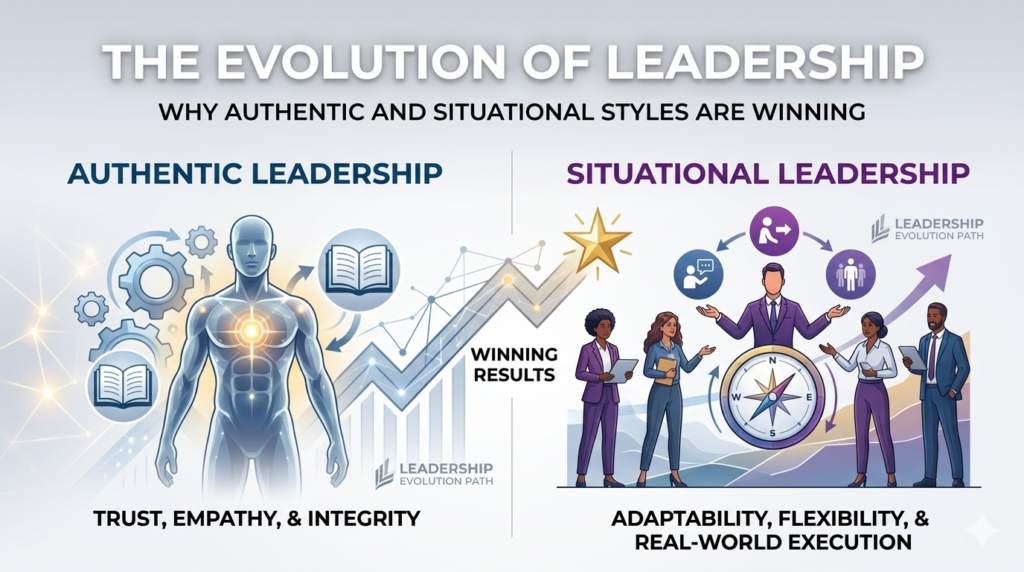
Situational leadership, for example, is a style that adapts to the needs of the team and the situation at hand. This style requires leaders to be flexible and to adjust their leadership style depending on the circumstances. In contrast, servant leadership is a style that emphasizes putting the needs of the team first and serving their needs. This style can be effective in building trust and loyalty among team members.
Transactional leadership is a style that relies on rewards and punishments to motivate team members. This style can be effective in situations where team members are highly motivated by rewards and recognition. However, it can also lead to a focus on short-term results and can undermine long-term team performance.
It’s important for leaders to be aware of the different leadership styles and to choose the style that best fits their team and organizational goals. Leaders can also benefit from developing their own leadership skills and abilities through training and development programs, coaching, and mentoring.
Leadership is not just about telling people what to do, it’s about inspiring and empowering your team to achieve their goals. By choosing the right leadership style and developing your own leadership skills, you can help your team reach its full potential and achieve great success.
One important aspect of leadership styles is the impact they can have on team dynamics and organizational culture. A leader’s style can shape the way team members interact with each other and with the leader, as well as the values and beliefs that are shared within the organization.
For example, an autocratic leadership style can create a hierarchical and authoritarian culture, where team members are expected to follow orders without question. This can stifle creativity and innovation, and can also lead to resentment and low morale among team members.
On the other hand, a democratic leadership style can create a more collaborative and inclusive culture, where team members feel valued and empowered to contribute their ideas and perspectives. This can lead to greater engagement and motivation among team members, and can also foster a sense of ownership and commitment to the team’s goals.
Another important aspect of leadership styles is their impact on employee development and growth. Different styles can provide different levels of support and guidance to team members, and can shape the opportunities for learning and development within the organization.
For example, a transformational leadership style can inspire and empower team members to take ownership of their work and pursue new challenges and opportunities. This can create a culture of continuous learning and development, where team members are encouraged to take risks and learn from their experiences.
In contrast, a laissez-faire leadership style can provide little guidance or direction to team members, which can lead to a lack of clarity and direction in their work. This can make it difficult for team members to learn and grow, and can also lead to feelings of frustration and disengagement.
In summary, leadership styles have a significant impact on team performance, organizational culture, and employee development. By understanding the strengths and weaknesses of different leadership styles, and by choosing the style that best fits their team and organizational goals, leaders can create a more engaged, motivated, and productive team, and can help their organization achieve great success.